
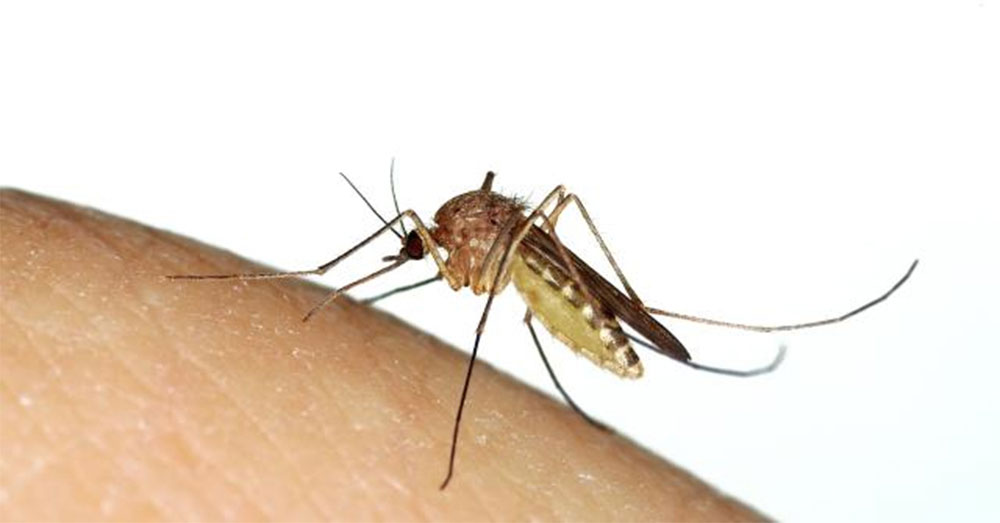
Wisconsinites encouraged to protect against mosquito bites to avoid illness
MADISON – The Wisconsin Department of Health Services (DHS) announces the first confirmed West Nile virus (WNV) activity in the state this year. Mosquitoes collected from Milwaukee County have tested positive for WNV and a wild bird from Bayfield County tested positive for the virus. This is a sign that there are mosquitoes in the state that have the virus and can transmit it to animals and people. Currently, no human cases of WNV have been reported in 2026.
“Monitoring mosquitoes and birds for West Nile virus helps public health experts understand when and where the virus is active, so that we can give timely information to communities across the state,” said Paula Tran, state health officer and administrator of the Division of Public Health. “These first detections of West Nile virus this year serve as a reminder to take simple steps that can protect you and your family against possible illness.”
WNV is spread to humans, birds, and other animals through the bite of an infected mosquito. Mosquitoes acquire WNV by feeding on infected birds. The virus is not spread directly from person to person, animal to animal, or animal to person.
Most people infected with WNV do not have symptoms. Those who become ill may have fever, chills, headache, muscle aches, rash, and fatigue. Some people will develop severe illness with symptoms that include high fever, muscle weakness, stiff neck, disorientation, mental confusion, tremors, paralysis, seizure, and coma. Older adults and those with compromised immune systems are at greater risk of developing severe illness that can be fatal. It is important that people contact a health care provider if they suspect they have WNV illness.
DHS has monitored the spread of WNV since 2001, tracking infections in mosquitoes, animals, and humans across the state to alert health care providers and Wisconsinites about risk. An average of 19 cases of WNV illness are reported among Wisconsin residents each year. WNV cases in humans have been reported from June through November; however, most people with WNV report becoming ill in August and September.
The best way to avoid illnesses spread by mosquitoes is to reduce exposure to mosquitoes and eliminate mosquito breeding sites. Mosquito activity and the risk of WNV will continue through the rest of the summer and fall until there is a hard frost (temperatures below 28 degrees Fahrenheit for at least four straight hours).
DHS offers these tips to protect against mosquito bites:
Avoid mosquito bites
- Apply an insect repellent with DEET, picaridin, oil of lemon eucalyptus, or IR3535 to exposed skin and clothing.
- Prior to heading outdoors, treat clothing with permethrin; do not apply permethrin directly to skin.
- Consider rescheduling outdoor activities that occur during evening or early morning hours, when mosquitoes that spread WNV are most active.
- Wear long-sleeves, long pants, and socks when outdoors to help keep mosquitoes away from your skin.
Mosquito-proof your home
- Prevent mosquitoes from breeding around homes by removing stagnant water from items around the property. For example:
- Empty standing water that has collected in tin cans, plastic containers, flower pots, discarded tires, roof gutters, and downspouts.
- Turn over wheelbarrows, kiddie pools, buckets, and small boats such as canoes and kayaks when not in use.
- Change the water in bird baths and pet dishes at least every three days.
- Clean and chlorinate swimming pools, outdoor saunas, and hot tubs; drain water from pool covers.
- Make sure window and door screens are intact and tightly fitted to prevent mosquitoes from getting inside.
- Trim or mow tall grass, weeds, and vines since mosquitoes use these areas to rest during hot daylight hours.
Find more information on prevention and symptoms of West Nile virus and additional ways to Fight The Bite on the DHS website.
Photo Credit: Wisconsin DHS
Published on: Jul 14, 2026 at 10:32 am