
By: Frank Burns
Not all Monarch Butterflies are created equal.
Many people know that Wisconsin Monarchs fly south for the winter, but what they might not realize is that the butterflies they see the following spring are not the ones that left in August or early September. Our Wisconsin Monarchs do not make the full round trip.
Let’s start at the end. In late August, Monarchs that hatch are the strongest of what are called four “generations”. These butterflies live the longest, as much as nine months. They fly 3,000 miles from here to the specific mountain ranges in Mexico. No one really knows how or why. They just do.
In Mexico they overwinter. Monarchs need cool temperatures, moisture, and protection. Certain pines trees are their preference for all their needs.
The strange thing about these butterflies is that they do not mate during the journey south. They just fly. If they survive the conditions in Mexico, and when the days become longer and warmer, they start back for Wisconsin and other territories. It is during this “return” trip that the females find Milkweed plants to lay their eggs. Both males and females of this Wisconsin generation die before too long.
When their eggs hatch and butterflies are successful, this is the beginning of a first generation which continues the trip north toward their parent’s breeding grounds. However, the “relay” team is just beginning. Their offspring become the second-generation which continues the journey north. They mate, and lay eggs too, and soon arrive in Wisconsin.
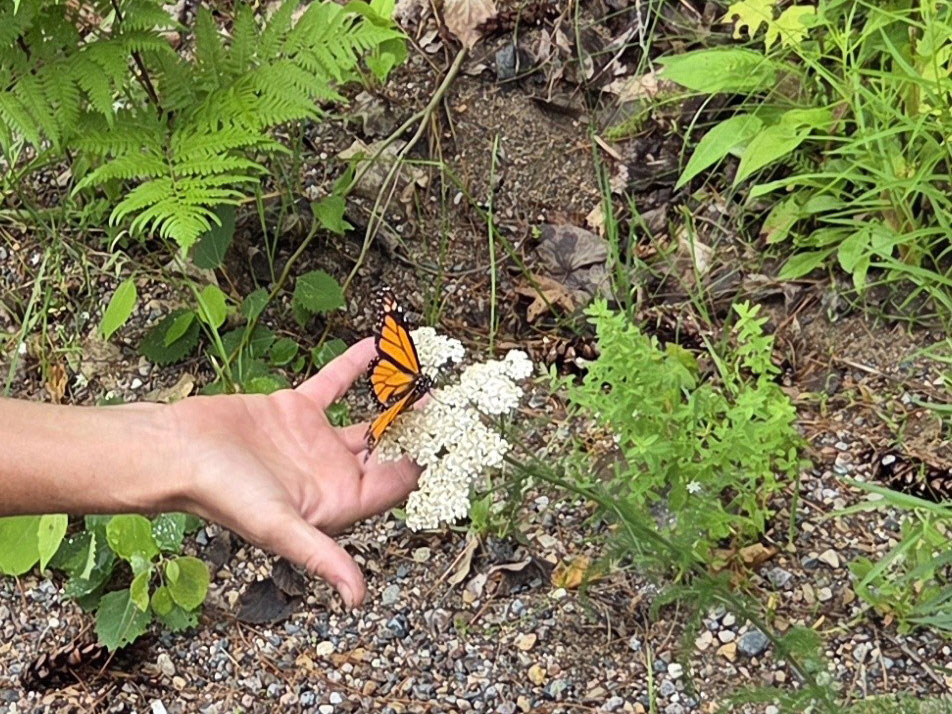
Then the third generation is born in the middle days of June. Within a week after their first flight, these Wisconsin females immediately seek out Milkweeds and start depositing their eggs. They soon die just a few weeks after completing their task. Then it’s back to the final generation.
Full cycle. We just see Monarchs. We do not see all they go through.
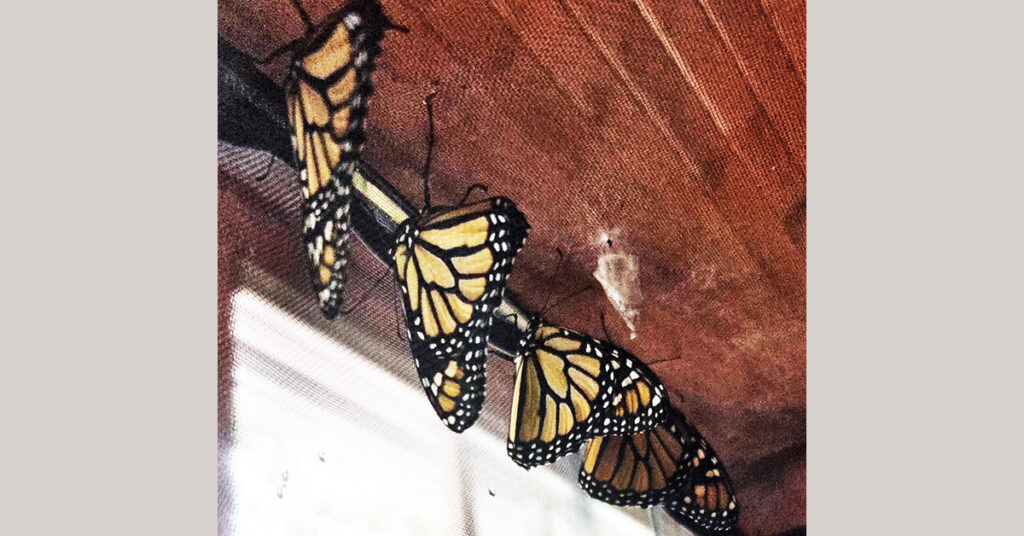
It just so happened that my wife and I raised several batches of June caterpillars that we noticed on nearby Milkweeds in small butterfly habitats. By July 12th we released all nine as adult Monarchs and watched their first flight. Knowing now what they go through, to see them hatch and take to wing is such a glorious event to witness.
The next time a Monarch passes in front of you, you will know that whether its life span is short or long, it is doing its part to keep Monarchs in Wisconsin for generations to come.
Theirs and ours.
Photo Credit: Frank Burns
Published on: Aug 24, 2026 at 2:58 pm