
By ANDRÉ COLEMAN
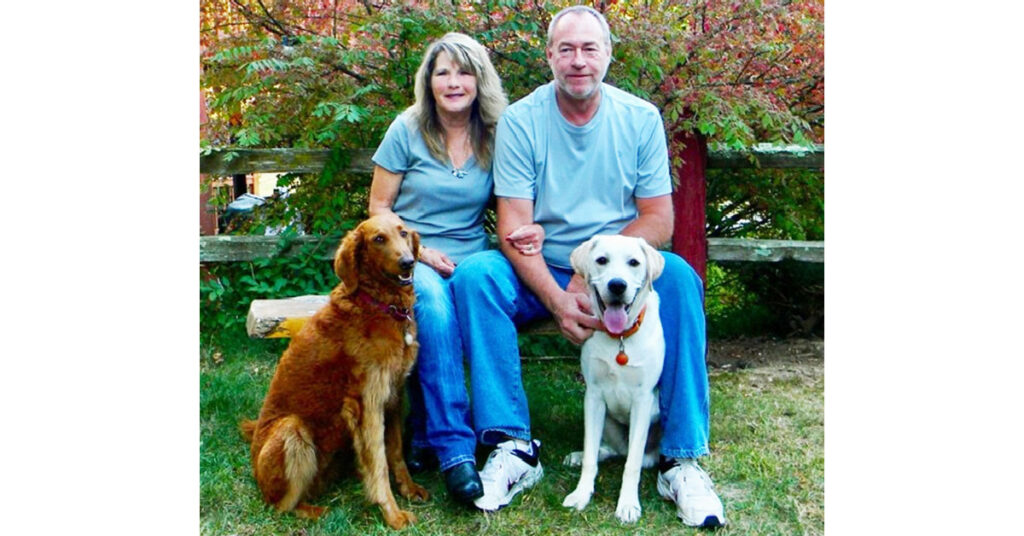
MOUNTAIN – Most days, you’ll see me out in the community with my service dog, Penny. To many, she may look like a calm, well-behaved companion—but Penny is so much more than that. She is a diabetic alert service dog, trained to detect changes in my blood sugar levels—often before I even feel symptoms.
Through scent detection, Penny can alert me when my blood sugar is dropping or rising dangerously. Those early warnings help prevent serious medical emergencies and give me something incredibly important: peace of mind.
Because of Penny, I’m able to live more independently, safely, and confidently. She allows me to go about my daily life knowing I have a constant layer of protection by my side.
You may also see Axel in the community. Axel, a 2-year-old yellow Labrador Retriever, is in training for an important role as a diabetic alert service dog and is preparing to take over Penny’s role when she retires.
I also want to share something important with our community. Under the Americans with Disabilities Act (ADA), service dogs like Penny and Axel are legally allowed in public places— even where pets are not. Businesses are required to allow service dogs to accompany their handlers.
It’s Important to Know:
• Service dogs are not pets—they are trained working animals
• Businesses may only ask two questions:
Is the dog a service animal required because of a disability?
What work or task has the dog been trained to perform?
They cannot ask for documentation or details about a person’s medical condition. If you see Penny or Axel working, the best way to support us is simple—please let them do their job:
• Don’t pet or distract
• Don’t call out
• Don’t offer food or treats
Penny and Axel are more than a dog—they are my partner, my safety net, and in many ways, a lifesaver.
Thank you for helping create a community that understands and respects the important role service dog’s play.
Photo Credit: André Coleman
Published on: Jul 25, 2026 at 12:49 pm